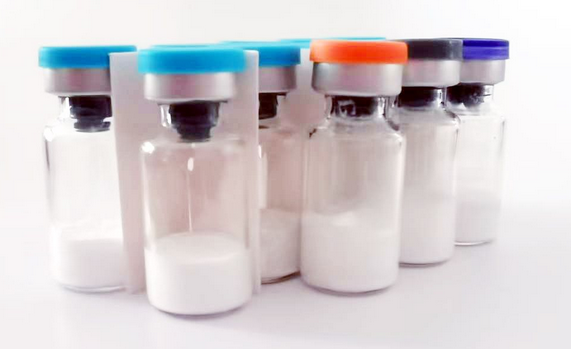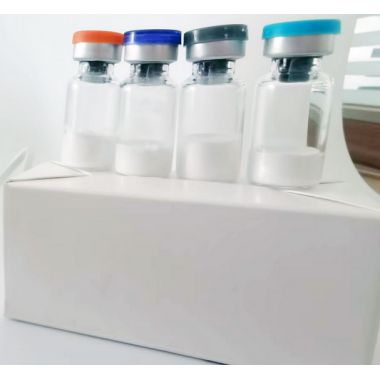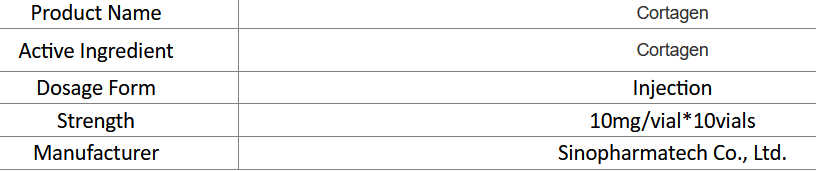
Mechanism of ActionCortagen is a synthetic peptide designed to modulate neuronal function and protect against neurodegeneration. Its primary mechanisms include:
- Neurotrophic Support: Mimics endogenous neurotrophic factors (e.g., BDNF, NGF) to promote neuronal survival, synaptic plasticity, and axonal growth.
- Anti-Inflammatory Effects: Reduces microglial activation and pro-inflammatory cytokines (e.g., TNF-α, IL-1β), mitigating neuroinflammation-a hallmark of neurodegenerative diseases.
- Antioxidant Activity: Enhances cellular defense systems by upregulating antioxidant enzymes (e.g., superoxide dismutase, glutathione peroxidase), protecting neurons from oxidative stress.
- Neurotransmitter Modulation: Influences acetylcholine and glutamate signaling, improving cognitive processes such as memory and learning.
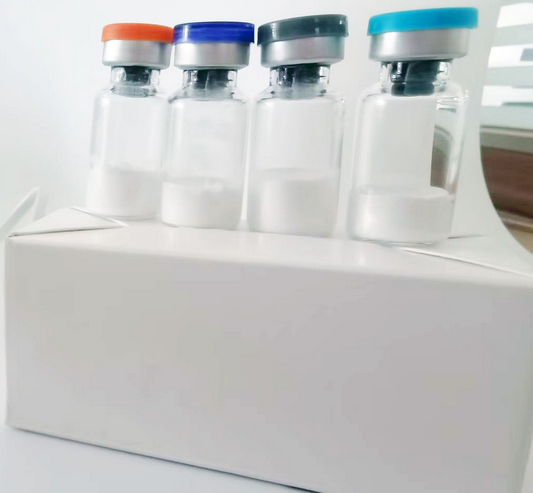 2. Therapeutic ApplicationsCurrent Clinical Uses
- Neurodegenerative Diseases:
- Alzheimer's Disease (AD): Slows cognitive decline by reducing amyloid-beta toxicity and preserving cholinergic neurons.
- Parkinson's Disease (PD): Protects dopaminergic neurons in the substantia nigra, potentially alleviating motor symptoms.
- Stroke Recovery: Promotes neurogenesis and angiogenesis in ischemic brain regions, improving functional outcomes.
- Traumatic Brain Injury (TBI): Accelerates neuronal repair and reduces apoptosis through neurotrophic signaling.
- Cognitive Enhancement: Used off-label to improve focus, memory, and mental clarity in healthy adults.
 Emerging Research Directions
- Multiple Sclerosis (MS): Investigated for its potential to support remyelination and modulate autoimmune responses.
- Depression and Anxiety: Early studies suggest mood-stabilizing effects via serotonin and dopamine pathway regulation.
- Age-Related Cognitive Decline: Explored as a preventive therapy for mild cognitive impairment (MCI).
3. Future ProspectsCortagen represents a promising frontier in peptide-based therapeutics. Its ability to target multiple pathological pathways (neuroinflammation, oxidative stress, synaptic dysfunction) positions it as a versatile agent for:
- Personalized Medicine: Tailored dosing based on genetic profiles (e.g., APOE4 carriers in AD).
- Combination Therapies: Synergistic use with cholinesterase inhibitors (e.g., donepezil) or NMDA receptor antagonists (e.g., memantine).
- Global Market Expansion: Regulatory approvals in Europe and Asia could drive adoption for neurodegenerative diseases.
 4. Dosage and AdministrationStandard Protocols
- Route: Subcutaneous or intramuscular injection for systemic bioavailability.
- Dosing:
- Neurodegenerative Diseases: 5-10 mg/day for 4-6 weeks, followed by maintenance cycles (e.g., 5 mg/day, 3 times weekly).
- Stroke/TBI: 10-20 mg/day for 2-3 weeks post-injury.
- Cognitive Enhancement: 2-5 mg/day for 10-14 days, repeated monthly.
- Cycling: Typically administered in 4-6 week cycles with 2-4 week breaks to prevent receptor desensitization.
 5. Storage and Stability
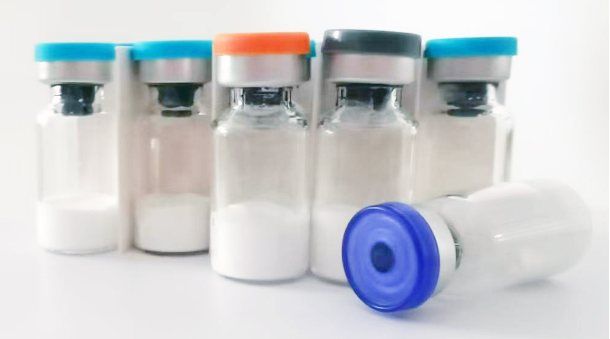
- Lyophilized Powder: Store at 2-8°C (36-46°F); stable for up to 2 years.
- Reconstituted Solution: Use within 24 hours if refrigerated (2-8°C); discard if cloudy or discolored.
- Avoid Freezing: Freezing may degrade peptide structure, reducing efficacy.