
Shandong Sino Pharmaceutical Technology Co., Ltd.
Business Type:Manufacturer
Country/Region:China
Ddu Verified
HOT Rank


Shandong Sino Pharmaceutical Technology Co., Ltd.
We are professional supplier of Skin whitening products,Skin Rejuvenation products,Weight Less products,Peptide,Antibiotic,Analgesic,Anti-inflammatory,Vitamin,Health care products.


Business Type:Manufacturer
Country/Region:China
Ddu Verified
HOT Rank
We are supplying all of our foreign customers with Customized Pharmaceutical Formulations or Dosage Forms.
You can tell us any pharmaceutical product, no matter what it is that you want. And then we will give you a detailed solution as per your requirement.
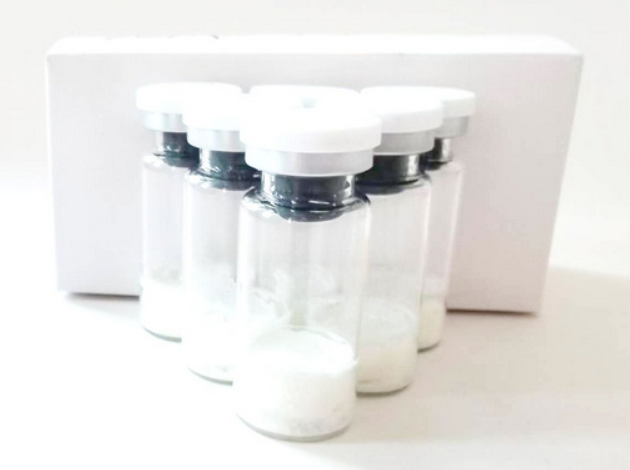
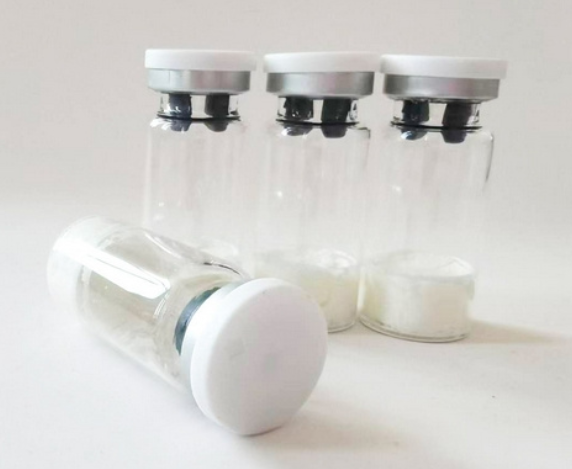
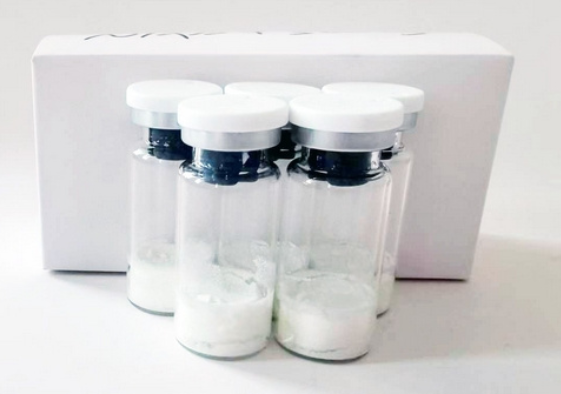
Cagrilintide, a long-acting glucagon-like peptide-1 receptor agonist (GLP-1 RA), is positioned for dual indications of weight loss and blood sugar reduction. It is often used in combination with semaglutide (compound preparation CagriSema) and is currently one of the core drugs in the field of weight loss. It has been approved for listing in regions such as the European Union and the United States.
Mechanism of action and core advantages
1. Core mechanism of action
Activate the GLP-1 receptor to achieve a triple effect:
Central level: Inhibit the appetite center in the hypothalamus, reducing food intake (prolonging the duration of satiety);
Peripheral level: Delay gastric emptying and reduce the peak blood glucose level after meals; Inhibit glucagon secretion and reduce liver glucose production;
Metabolic level: Promotes fat breakdown (especially visceral fat), increases energy expenditure, and improves insulin sensitivity.
Long-lasting modification: The palmitoylated group binds to albumin, preventing rapid degradation by DPP-4 and prolonging the duration of action in vivo.
2. Key clinical data
Monotherapy weight loss: After 52 weeks of treatment, the average weight loss was 12.5% (2.1% in the placebo group), and more than 50% of patients lost weight by ≥10%.
Combined with semaglutide: The average weight loss of the compound preparation CagriSema over 52 weeks was 15.4%, significantly better than that of semaglutide alone (11.3% weight loss with semaglutide alone).
Hypoglycemic effect: The average HbA1c of patients with type 2 diabetes is reduced by 1.4%, and when combined with semaglutide, it can be reduced to 1.6%.
Safety: The incidence of gastrointestinal side effects was lower than that of semaglutide (nausea 28% vs 32%), and there was no risk of severe hypoglycemia (glucose-dependent onset).
Iii. Administration Regimens and Dosage Adjustments
Special adjustment of maintenance dose during the initial dose escalation period for indications
Obesity/Overweight (monotherapy) : 0.3mg/week ×4 weeks, doubling every 4 weeks (0.6→1.2mg), 2.4mg/week (maximum tolerated dose). Intolerance can be reduced to 1.2mg/week
Type 2 diabetes (adjuvant) 0.3mg/week ×4 weeks 0.6→1.2mg/week 1.2mg/week (priority control of hypoglycemia risk) When used in combination with insulin, the insulin dose should be reduced
Iv. Safety and Precautions
Common adverse reactions (mild to moderate, relieved with treatment)
Gastrointestinal reactions: nausea (28%), diarrhea (18%), vomiting (10%), constipation (7%);
Others: Headache (8%), fatigue (5%), erythema at the injection site (4%);
Hypoglycemia: It occurs occasionally only when used in combination with insulin/sulfonylureas (incidence < 3%), and blood glucose monitoring is required.
2. Contraindications and Serious risks
Absolute contraindications: Individuals allergic to calaglitide or excipients, those with a history or family history of medullary thyroid carcinoma (MTC), patients with multiple endocrine neoplasia type 2 (MEN 2), and pregnant or lactating women.
Potential risks: It may increase the risk of pancreatitis and gallbladder stones (incidence < 1%). Long-term use requires monitoring of thyroid function (calcitonin, carcinoembryonic antigen).
Special populations: Patients with impaired liver or kidney function do not need to adjust the dose (excreted only through the kidneys < 5%), and the starting dose for elderly patients (≥65 years old) is halved.
3. Drug interactions
Avoid combination with drugs that delay gastric emptying (such as opioids and anticholinergic drugs), as this may reduce the absorption of oral medications.
When used in combination with warfarin, coagulation function needs to be monitored (delayed gastric emptying may affect warfarin absorption).