
Shandong Sino Pharmaceutical Technology Co., Ltd.
Business Type:Manufacturer
Country/Region:China
Ddu Verified
HOT Rank

Shandong Sino Pharmaceutical Technology Co., Ltd.
We are professional supplier of Skin whitening products,Skin Rejuvenation products,Weight Less products,Peptide,Antibiotic,Analgesic,Anti-inflammatory,Vitamin,Health care products.


Business Type:Manufacturer
Country/Region:China
Ddu Verified
HOT Rank
We are supplying all of our foreign customers with Customized Pharmaceutical Formulations or Dosage Forms.
You can tell us any pharmaceutical product, no matter what it is that you want. And then we will give you a detailed solution as per your requirement.
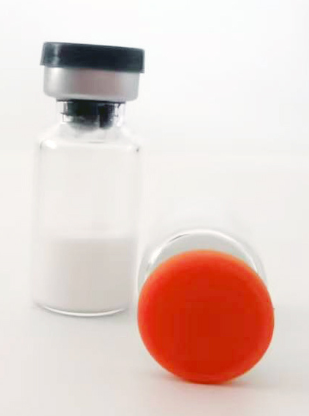
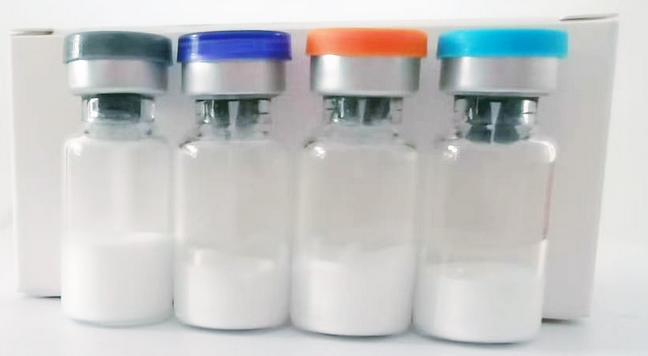
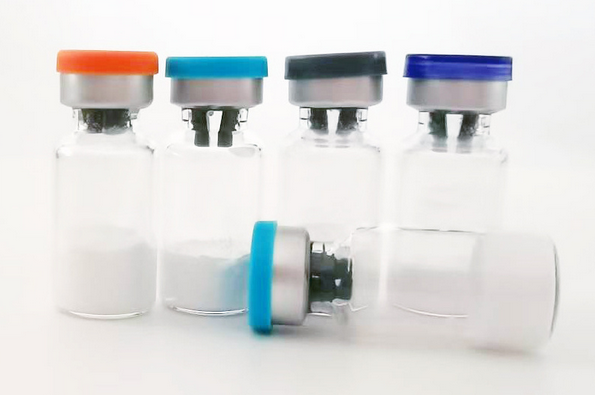
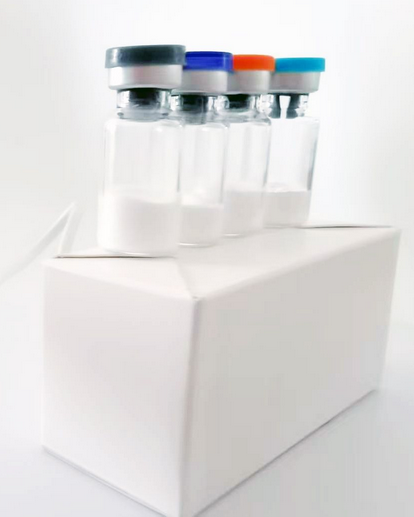
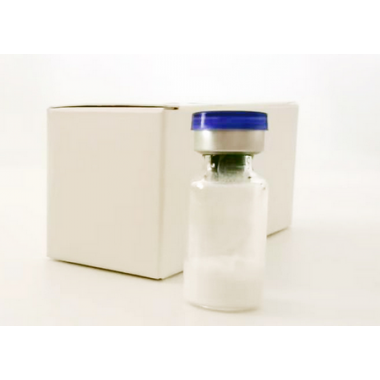
BPC 157 (full name: Body Protection Compound 157, Gastric 15-peptide) is a 15-amino acid synthetic polypeptide derived from human gastric mucosal protein (sequence:) Gley-glu-pro-pro-pro-gley-lys-pro-ala-asp-asp-ala-gley-leu-val, CAS number 137525-51-0, has core values of powerful tissue repair, gastrointestinal protection and anti-inflammation.
Core mechanism of action and application directions
1. Key mechanism of action
Tissue repair and regeneration
Activate the proliferation of fibroblasts and endothelial cells, promote collagen and angiogenesis (upregulation of VEGF/ANG-1), and accelerate the healing of muscle, tendon, ligament and skin wounds;
Repair damage to the gastrointestinal mucosa, enhance the function of the mucosal barrier, and promote the healing of ulcer surfaces (inhibit gastric acid secretion and increase mucus production).
Anti-inflammatory and antioxidant:
Inhibit the release of pro-inflammatory factors such as TNF-α and IL-6, reduce oxidative stress (decrease ROS generation), and alleviate chronic inflammation;
Regulate the chemotaxis of immune cells and alleviate tissue edema and fibrosis.
Neuroprotection
Promote the differentiation of neural stem cells, repair damaged neurons, and improve functional recovery after brain and spinal cord injuries.
2. Main research application scenarios
Experimental evidence for specific directions in the research field (animal models)
The ulcer healing rate in rat models of gastrointestinal diseases such as gastric ulcer, duodenal ulcer, leaky gut syndrome and Crohn's disease increased by more than 60%
Sports injuries such as muscle strains, tendon ruptures and cartilage injuries can accelerate the repair of the injured area and shorten the recovery period by 50%
Traumatic brain injury, spinal cord injury and peripheral neuropathy can improve nerve conduction function and reduce neuronal apoptosis
Organ protection can prevent liver injury, kidney injury and myocardial ischemia-reperfusion injury, reduce the degree of organ fibrosis and increase the survival rate
Iii. Safety and Precautions
1. Safety data (animal experiments)
Acute toxicity: LD₅₀ > 5000μg/kg (subcutaneous injection in rats), no obvious acute toxic reaction;
Long-term toxicity: No abnormal liver or kidney function or blood routine after continuous administration for 3 months, and no risk of teratogenicity or carcinogenicity.
Adverse reactions: Occasional redness and swelling at the local injection site (incidence < 5%), no systemic side effects.
2. Taboos and Risks
Absolute contraindications: People allergic to BPC 157 or excipients, pregnant women/lactating women (safety not verified);
People with caution: Those with coagulation disorders (which may increase the risk of bleeding), and patients with autoimmune diseases;
Drug interactions: Avoid combination with anticoagulants (warfarin, heparin), which may enhance the anticoagulant effect.
3. Save and Operate
Freeze-dried powder: Sealed and frozen at -20℃, valid for 2 years; After reconstitution (sterile water/physiological saline), store at 4℃ and use up within 72 hours.
Avoid repeated freezing and thawing. After redissolution, store in the dark to prevent peptide degradation.