
Shandong Sino Pharmaceutical Technology Co., Ltd.
Business Type:Manufacturer
Country/Region:China
Ddu Verified
HOT Rank

Shandong Sino Pharmaceutical Technology Co., Ltd.
We are professional supplier of Skin whitening products,Skin Rejuvenation products,Weight Less products,Peptide,Antibiotic,Analgesic,Anti-inflammatory,Vitamin,Health care products.


Business Type:Manufacturer
Country/Region:China
Ddu Verified
HOT Rank
We are supplying all of our foreign customers with Customized Pharmaceutical Formulations or Dosage Forms.
You can tell us any pharmaceutical product, no matter what it is that you want. And then we will give you a detailed solution as per your requirement.
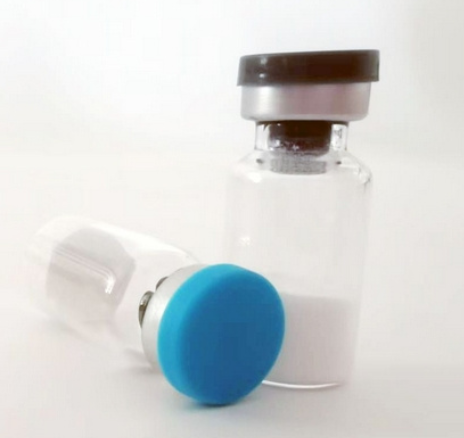
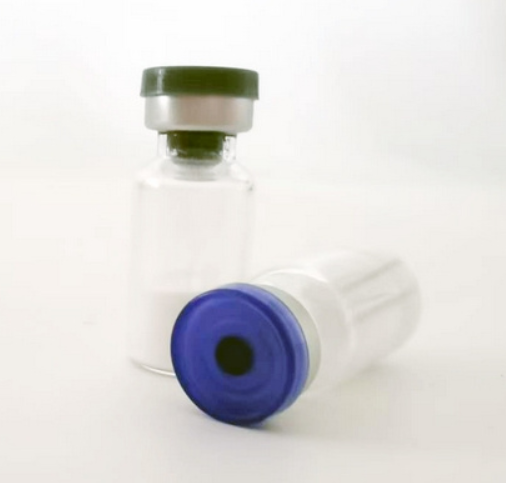
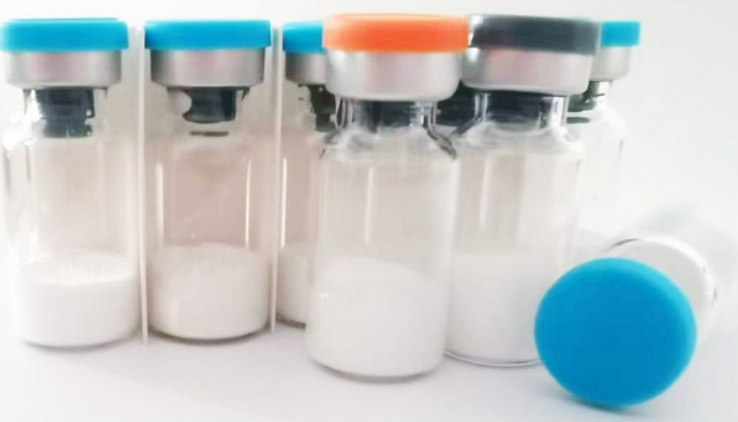
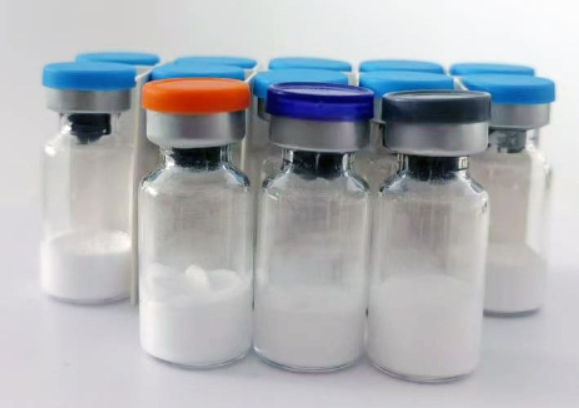
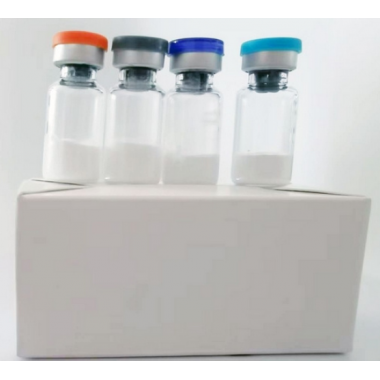
NAD⁺ (Nicotinamide Adenine Dinucleotide) is a core coenzyme and signaling molecule in human cells, with CAS number 53-84-9. It participates in over 500 biochemical reactions and its core functions include energy metabolism, DNA repair, and regulation of cellular aging. It is widely applied in anti-aging research and metabolic disease intervention
Mechanism of action and physiological functions
1.Energy metabolism (Core Function)
As a key electron carrier for the tricarboxylic acid cycle, glycolysis and oxidative phosphorylation, it connects catabolism and ATP synthesis and is the core hub of mitochondrial energy production.
The complete oxidation of each molecule of glucose requires the consumption of 10 molecules of NAD⁺, which is converted into NADH and then generates approximately 2.5 molecules of ATP per NADH through the respiratory chain.
2. Cell repair and aging regulation
Activate the Sirtuins family (SIRT1-7) : Regulate gene silencing, DNA repair, mitochondrial biogenesis, and delay cellular aging (SIRT1 is known as the "longevity protein");
Activation of PARP (poly ADP-ribose polymerase) : Repairing single-strand/double-strand breaks in DNA and maintaining genomic stability. The consumption of NAD⁺ by PARP is an important reason for the decline of
NAD⁺ during aging.
Application scenarios and research progress
1. Anti-aging and improvement of age-related muscle loss and cognitive decline. In animal experiments, it has extended the lifespan of mice by 10% to 20% and enhanced the cognition of elderly mice
2. Metabolic diseases: Type 2 diabetes (improving insulin sensitivity), obesity. In clinical trials, NMN can increase insulin sensitivity by 25% (in elderly subjects)
3. Neuroprotection: In Alzheimer's disease and Parkinson's disease, SIRT1 is activated to reduce beta-amyloid protein deposition and protect dopamine neurons
4. Cardiovascular: It can improve myocardial ischemia, lower blood lipids, enhance endothelial function, and reduce the damage to blood vessels caused by oxidative stress